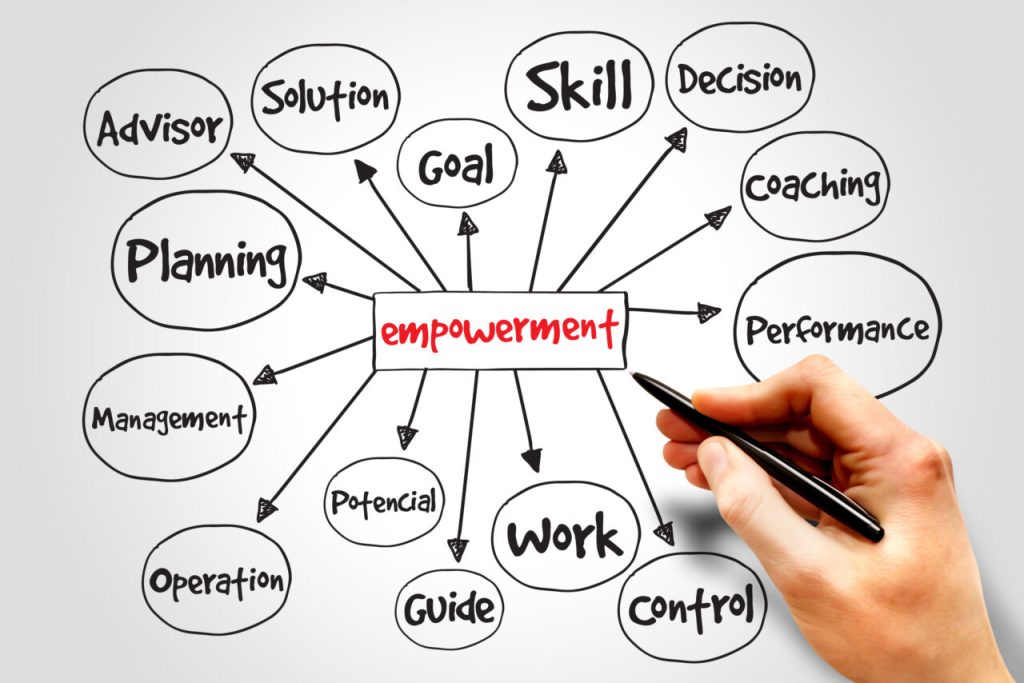
Personal empowerment is a transformative journey that allows individuals to take control of their lives, make informed decisions, and realize their full potential. It is about gaining the confidence and self-belief to pursue your dreams, overcome obstacles, and become the best version of yourself. In this article, we’ll explore what personal empowerment is, why it’s essential, and how to achieve it.
Understanding Personal Empowerment
Personal empowerment refers to the process of gaining control over one’s life, making choices that align with personal values, and developing the self-confidence and self-awareness necessary to achieve goals. It is about recognizing your own abilities, acknowledging your worth, and believing in your capacity to create positive change in your life.
The Importance of Personal Empowerment
- Self-fulfillment: Achieving personal empowerment leads to a sense of self-fulfillment. When you take charge of your life, set and accomplish goals, and make choices that reflect your values, you experience a profound sense of satisfaction.
- Resilience: Empowered individuals are better equipped to face challenges and setbacks. They possess the resilience to bounce back from adversity and find solutions to their problems.
- Improved well-being: Empowerment is closely linked to improved mental and emotional well-being. It reduces stress and anxiety, enhances self-esteem, and fosters a positive self-image.
- Better relationships: When you are empowered, you establish healthier relationships because you are more assertive, better at setting boundaries, and capable of communicating your needs effectively.
- Success: Personal empowerment is often the driving force behind achieving one’s goals and dreams. It leads to increased motivation, productivity, and success in various aspects of life.
Achieving Personal Empowerment
- Self-awareness: Begin by developing self-awareness. Take the time to reflect on your strengths, weaknesses, values, and passions. Understanding who you are is the foundation of empowerment.
- Set clear goals: Define your aspirations and create SMART (Specific, Measurable, Achievable, Relevant, and Time-bound) goals. Setting clear objectives will help you stay focused and motivated.
- Take responsibility: Empowerment involves taking responsibility for your actions and choices. Recognize that you have control over your decisions and outcomes.
- Build self-confidence: Work on building your self-confidence by acknowledging your accomplishments, challenging negative self-talk, and taking on new challenges.
- Seek knowledge: Knowledge is power. Continuously educate yourself, seek information, and develop new skills that are relevant to your goals.
- Embrace resilience: Understand that setbacks are a part of life. Instead of dwelling on failures, use them as learning experiences that propel you forward.
- Surround yourself with positivity: Limit exposure to negativity and surround yourself with people who support and encourage your growth. Positive relationships can be empowering.
- Take care of your physical and mental health: A healthy body and mind are essential for empowerment. Prioritize self-care, exercise, and mindfulness practices.
- Practice assertiveness: Learn to express your thoughts, feelings, and needs assertively. This will help you establish boundaries and communicate effectively.
- Keep evolving: Personal empowerment is an ongoing journey. Keep setting new goals and challenging yourself to grow and evolve.
Conclusion
Achieving personal empowerment is a profound and rewarding journey that leads to a more fulfilling and purpose-driven life. It requires self-awareness, determination, and the courage to take control of your destiny. By following the steps outlined in this article, you can embark on your path to empowerment and experience the countless benefits it offers in various aspects of your life. Remember that personal empowerment is not a destination but a continuous journey of self-discovery and growth.
 Embracing Love